
We deal with the hard stuff.
We’re a nonprofit therapy practice and EMDR training center.
Because quality trauma care shouldn't be a luxury, and EMDR shouldn't be guesswork.




Why Northwest Mental Health Alliance exists
Hello, we're Kevin and Linda.
We've both spent years in private practice as EMDR clinicians — Kevin as one of the longer-practicing EMDR therapists in the region, Linda as a trauma therapist who started noticing something that didn't sit right.
It started with a conversation. Linda came to Kevin one day and described what she kept hearing from clients about past EMDR therapy— 20-minute sets of bilateral stimulation with no pauses, no check-ins, no processing in between. She asked him what protocol that was.
His answer: it's not one.
That conversation opened a door we couldn't close. We started comparing notes. Kevin was hearing the same things — clients arriving having received no resourcing, no preparation, no closure at the end of sessions. Trauma material opened and left there. As we both became Approved Consultants in Training with EMDRIA, it got more specific and more troubling.
Some clinicians were scared to use EMDR at all — trained but paralyzed, defaulting back to whatever modality they knew before. Others were doing the motions but importing their prior therapy style into the middle of the protocol. Taking over. Directing. Interpreting. Doing everything EMDR specifically asks you not to do.
Because the hardest thing to learn about EMDR isn't the technique. It's knowing when to get out of the way. When to trust the process. When your job as a clinician is simply to hold the space while the brain does what it already knows how to do.
Most therapists never got taught that. Because most training ended after the weekend courses — and nobody was watching what happened next.
One day Linda said: “We need to train people ourselves. And we need to get to them before they're entrenched in their own way of doing therapy.”
So we built something. Not as a business plan — as a response to what we kept seeing, and a decision that we weren't willing to just keep watching it happen.
That's why NWMHA exists.
Why trust us?
25+
Years of combined EMDR practice
1K+
Clients served
EMDRIA Approved
Consultants on site
How we're different
We're a nonprofit. We specialize exclusively in EMDR — not as one service among many, but as the discipline we've built everything around. We train graduate therapists to a higher standard than the field requires. We accept insurance when most EMDR practices won't. And we hold every session to the full protocol, every time.
Who we serve
Adults, teens, and children carrying trauma, anxiety, and the hard stuff life leaves behind. People who've tried other therapy and felt stuck. Couples. Families. People who were in accidents. Neurodivergent folks who need care that actually fits.
Our EMDR Services
Specialized EMDR therapy and trauma-focused care — for adults, teens, children, and couples.

EMDR therapy
Core trauma reprocessing for adults. Evidence-based, full protocol, every session.

Car accident & PIP Insurance therapy
Trauma therapy after accidents — we bill your auto insurance directly. Most people pay nothing.
Ketamine-assisted EMDR
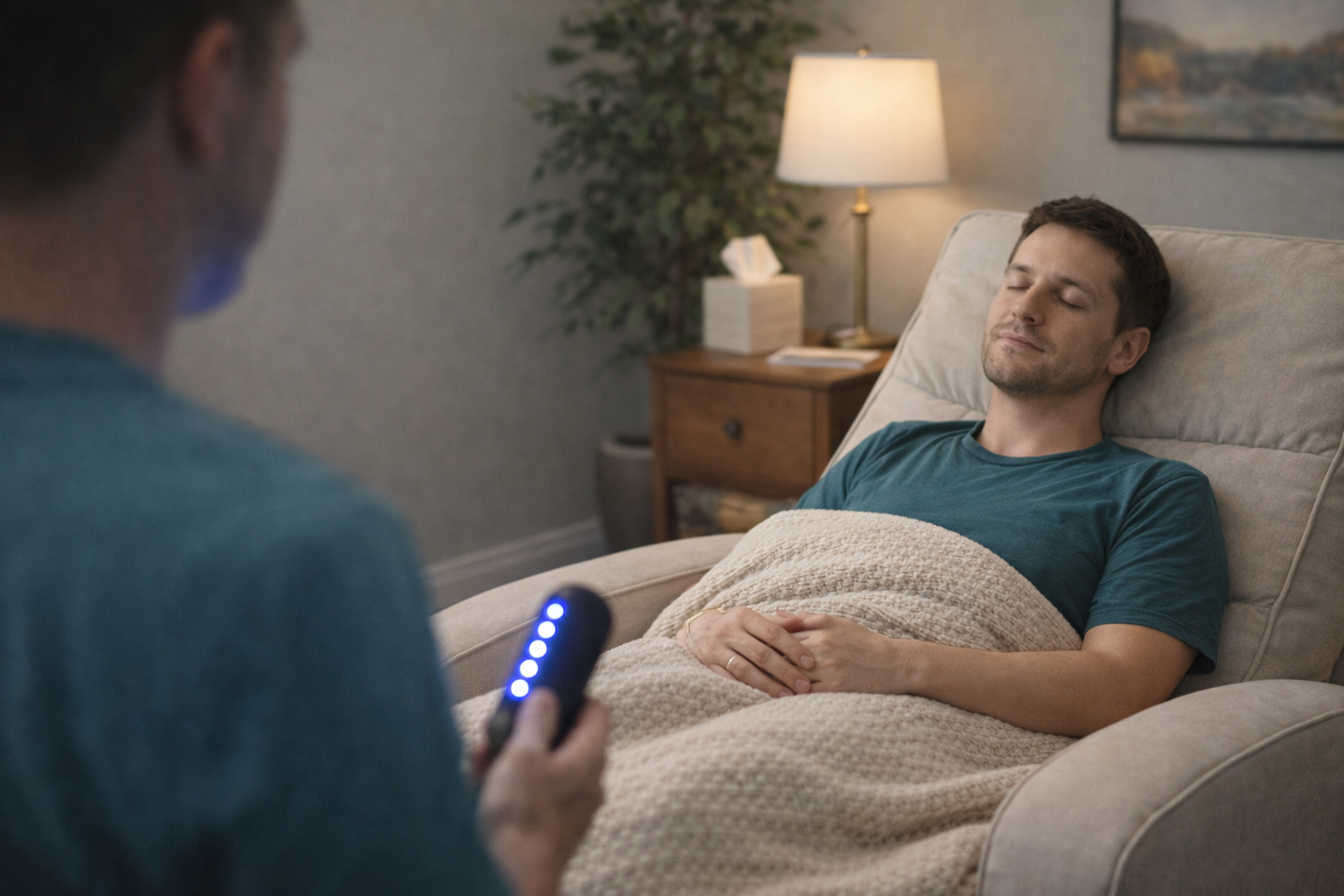
Low-dose, non-psychedelic protocol that deepens the EMDR processing window.
EMDR for kids & teens
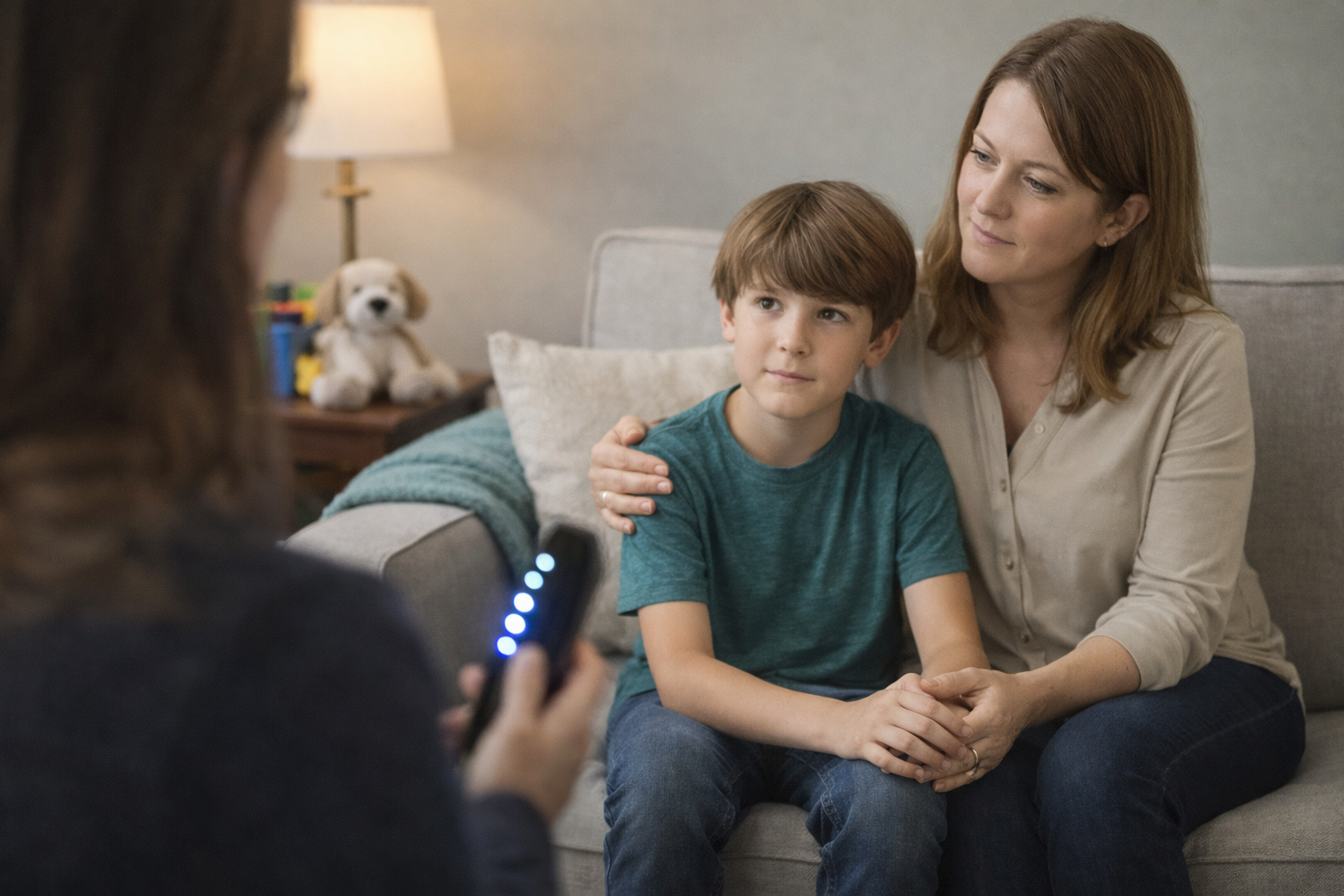
Child-adapted EMDR with experienced youth clinicians. Family therapy available.

EMDR for First Responders
Firefighters, law enforcement, paramedics, dispatchers, and ER staff carry what others don't see. EMDR is structured, direct, and doesn't require you to talk through everything. It's built for the way you're wired.
EMDR for couples
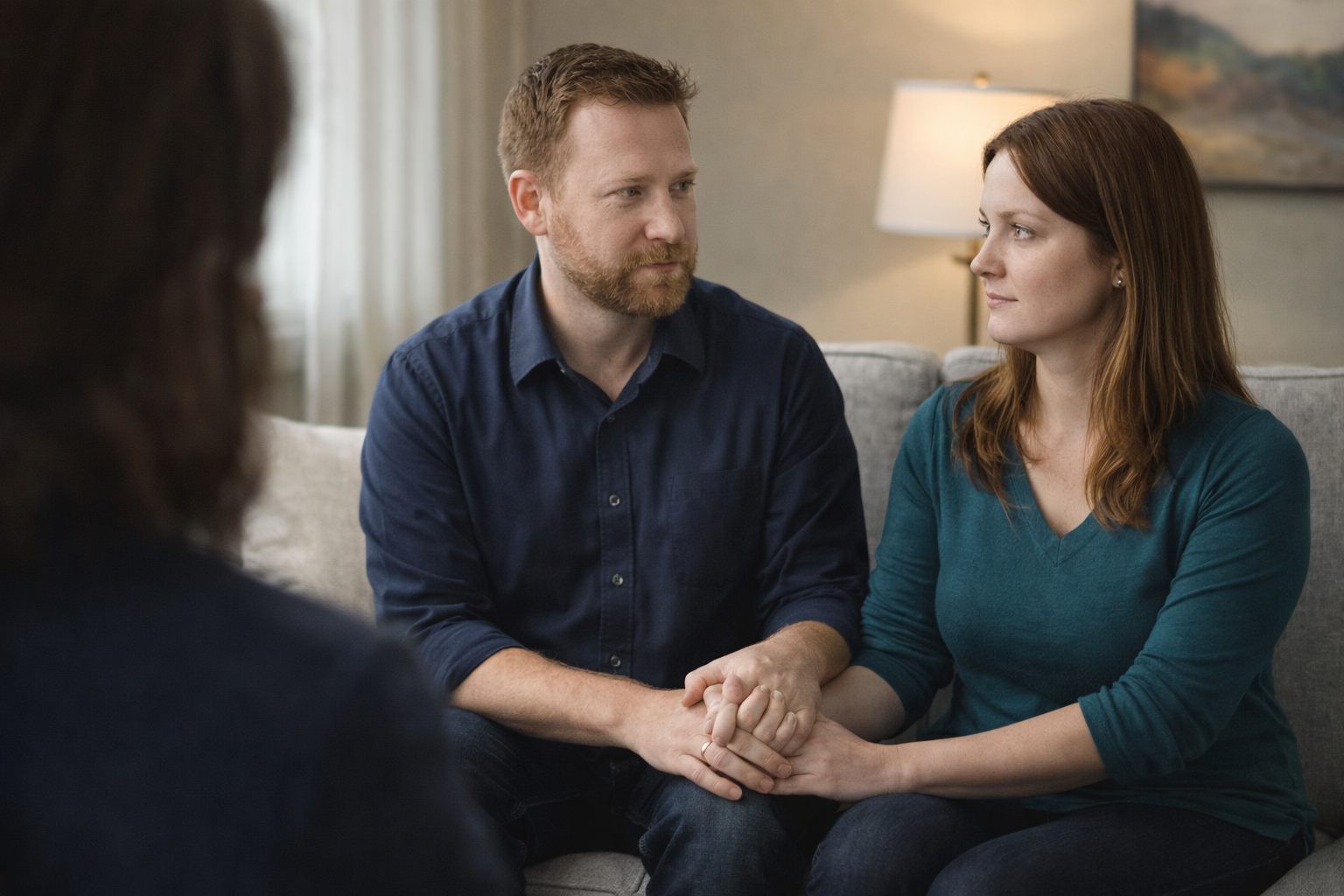
Trauma-focused couples work — including intensive formats for concentrated progress.

EMDR for chronic pain & illness
Trauma and physical symptoms are more connected than most people realize. We work with clients navigating chronic pain, medical trauma, illness adjustment, and the psychological weight of conditions that don't resolve cleanly.

EMDR on bikes
Outdoor bilateral EMDR using movement. A different kind of processing for people who do better outside.

EMDR for performance anxiety
Performance blocks, competition anxiety, and the aftermath of sports injuries aren't just mental — they're stored in the nervous system. EMDR addresses the root, not just the symptom.