
BlogLatest Articles

When the Body Holds the Story: Trauma, Neurology, and Why Both Matter
By Joanna Bugden, Supervised Graduate Therapist, NWMHA
There’s a group of people who often fall through the cracks of mental health care: those navigating trauma at the same time as chronic illness, medical trauma, or neurological conditions.
This can look like someone recovering from a traumatic brain injury while also processing the emotional impact of the accident, or someone living with a seizure disorder—whether related to epilepsy, other neurological conditions, or stress-related experiences such as functional neurological symptoms. It may also include healthcare workers or others in high-demand roles whose bodies begin responding in ways that don’t always have a clear medical explanation.
In other cases, it may be family members or loved ones supporting someone through conditions like Alzheimer’s, ALS, or dementia, navigating the emotional weight and ongoing changes that come with those experiences. For others, it may mean living with chronic illness and the loneliness that can come with it or coping with a physical injury sustained in high-risk professions such as first responders or veterans.
Across all of these experiences, there is often an important connection between what someone has been through and how it is held in the body. Experiences don’t just live in our thoughts—they’re also carried in the body and nervous system. When both are given space to be understood and supported, it can open the door to meaningful change.
Trauma affects the brain and nervous system— and why that matters
Trauma doesn’t just affect how we feel—it can also shape how the brain and nervous system respond to stress, memory, and a sense of safety. Over time, experiences can become held not only in our thoughts, but in the body and in the patterns the nervous system develops.
Because of this, responses to trauma and stress don’t always show up in clear or predictable ways. They can take different forms for different people, sometimes affecting both emotional and physical experiences in ways that aren’t always easy to recognize.
The nervous system is constantly taking in information about safety and threat, adjusting in response to both past experiences and what someone may currently be going through. When experiences feel overwhelming—whether ongoing or from the past—these patterns can continue, influencing how the body responds. As a result, certain reactions may feel automatic or difficult to control—not because something is “wrong,” but because the body has adapted in a way that is trying to protect.
Medical trauma is real and underrecognized
Medical trauma can take many forms and can be just as impactful as other difficult experiences. It may come from undergoing or having had invasive or complex medical procedures, living with a chronic illness or navigating the process of healing from one, managing neurological conditions, or recovering from injuries such as traumatic brain injury.
It’s often not only the physical experience itself, but everything that comes with it—the uncertainty of trusting the body again, a sense of loss of control, ongoing medical experiences, and the emotional impact that can follow, or simply feeling alone in it, which can feel deeply isolating. For others, it may be connected to high-risk professions, such as first responders or veterans, where both physical injury and ongoing stress can play a role in recovery.
Some of these experiences can show up in ways that are hard to ignore—like feeling anxious before medical appointments, avoiding care, or having difficult or traumatic memories of past or ongoing medical experiences come up unexpectedly.
In trauma-informed care, these responses are understood not as something being “wrong,” but as the nervous system trying to protect. Therapy can help create space to process these experiences in a way that feels safer and more manageable over time, and to begin making sense of them.
Approaches such as EMDR can be especially helpful in this area. EMDR works by helping the brain process and integrate distressing experiences, so they feel less overwhelming and more manageable over time.
When these experiences are handled with care and understanding, it can help people feel less alone in what they’re going through and begin to reconnect with both their body and their sense of safety.
Somatic presentations — when the body speaks what the mind hasn't processed
Sometimes, what someone has been through doesn’t just stay in their thoughts—it can also show up in the body. This might look like ongoing pain, fatigue, or physical symptoms such as unexplained gastrointestinal issues, even when medical care has been sought and no clear explanation has been found.
This doesn’t make those experiences any less real. In many cases, it reflects how closely the body and nervous system are connected to our experiences, especially when something has been overwhelming or difficult to process.
Approaching these symptoms with curiosity and care, rather than dismissal, can be an important part of helping someone better understand what their body may be holding. In a counseling setting, this often means working with the nervous system in ways that support greater awareness, regulation, and a sense of safety over time, while also creating space to process experiences and gently shift patterns that may no longer feel helpful
If you're navigating trauma alongside a medical or neurological condition and haven't found a therapist who can hold both — that's exactly the kind of work I'm trained to do.
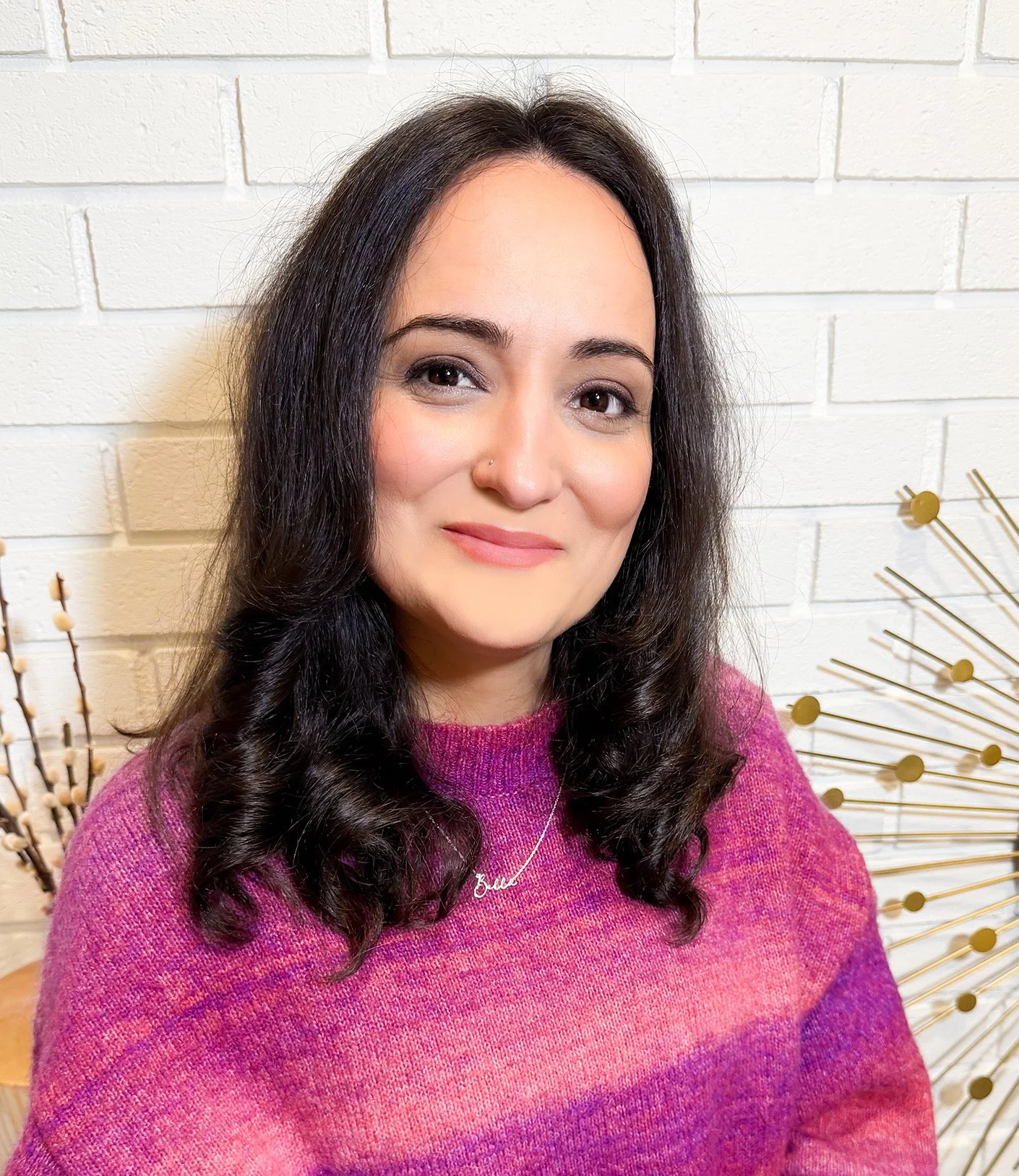
Meet Joanna: On Healing, Whole People, and Why Therapy Found Her
By Joanna Bugden, Supervised Graduate Therapist, NWMHA
I didn’t take a traditional path into counseling. Before starting my training, I spent years working in the music industry — managing music labels, coordinating tours and live events, creating music myself, and working with artists across the USA and Europe. It was fast-paced, creative work that I really enjoyed, but what stayed with me most was something else—how much people carry beneath the surface, and how rarely they have a space to talk about it or feel understood.
Over time, I realized I wanted to make a different kind of impact in people’s lives. I had often found myself emotionally supporting the artists I worked with and the people around me, and alongside my own lived experiences, I felt increasingly drawn toward counseling. I eventually returned to school — first at Washington State University for Clinical Psychology, and now at the University of Western States for Clinical Mental Health Counseling. Through my studies, I found myself drawn to questions I had been asking for a long time: how trauma affects people differently, how the body and brain are involved in that process, and what it actually means to process and move through those experiences, rather than just get by.
What I bring to this work
I grew up surrounded by people in healthcare, with family members practicing everything from Western medicine to integrative and holistic care, including acupuncture. That early exposure shaped how I think about healing and the connection between the mind and body—as something that needs to address the whole person, not just a diagnosis or set of symptoms.
I’m particularly drawn to clients navigating trauma alongside a medical condition, chronic illness, or past medical experiences—including different types of neurological conditions—as well as those experiencing the chronic stress of high-demand professions such as first responders, healthcare workers, and veterans. While these are areas of particular interest, I also work with a wide range of trauma and mental health concerns. I also value a multicultural perspective on health and healing and aim to approach this work with cultural awareness and respect for each client’s unique background.
My approach
I take an integrative, humanistic approach to counseling, drawing from person-centered, trauma-informed, and somatic perspectives, including utilizing EMDR in my work. I don’t believe there’s a one-size-fits-all approach to therapy. My goal is to create a space where clients feel seen and supported as whole people—not just as a diagnosis or presenting problem, but as individuals—and where we can work together to find what is most helpful for them.
A little more about me
Outside of the office, I’m a devoted amateur baker and self-proclaimed foodie, with my own micro-bakery that has been catering events and feeding friends with my sweet creations. I love to travel and have spent many years living in Europe, and I really enjoy discovering new cultures and learning about them.
I also find great joy in spending time in nature with my husband and connecting to music and the arts. I strongly value staying connected to my community through giving back—I have volunteered with PAWS as a pet foster, and regularly donate baked goods to our local homeless shelters, and the “Seattle Community Fridge” programs.
A quote that I hold close and try to live by is from Hippocrates:
“Healing is a matter of time, but it is sometimes also a matter of opportunity.”