EMDR for first responders
You've seen things most people will never see. You've made decisions in seconds that other people never have to make at all. You've learned to manage your responses so thoroughly that sometimes you're not sure what you actually feel anymore — only that something's been off, and it's been off for a while.
This page is for you. Not for someone to convince you that therapy is a good idea. If you're reading this, you've probably already decided to look. We just want you to know what you'll find here.
What we understand about first responder culture
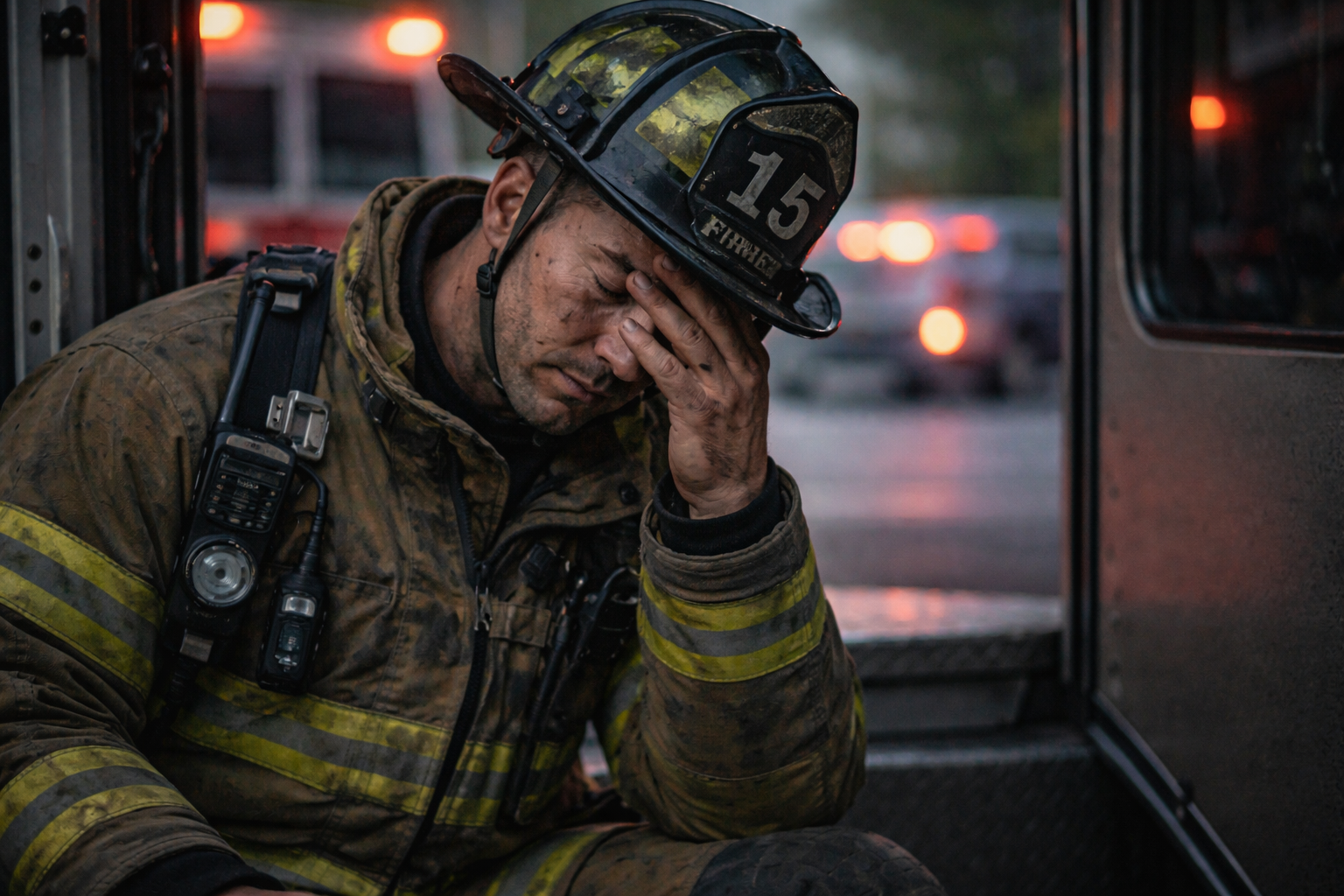
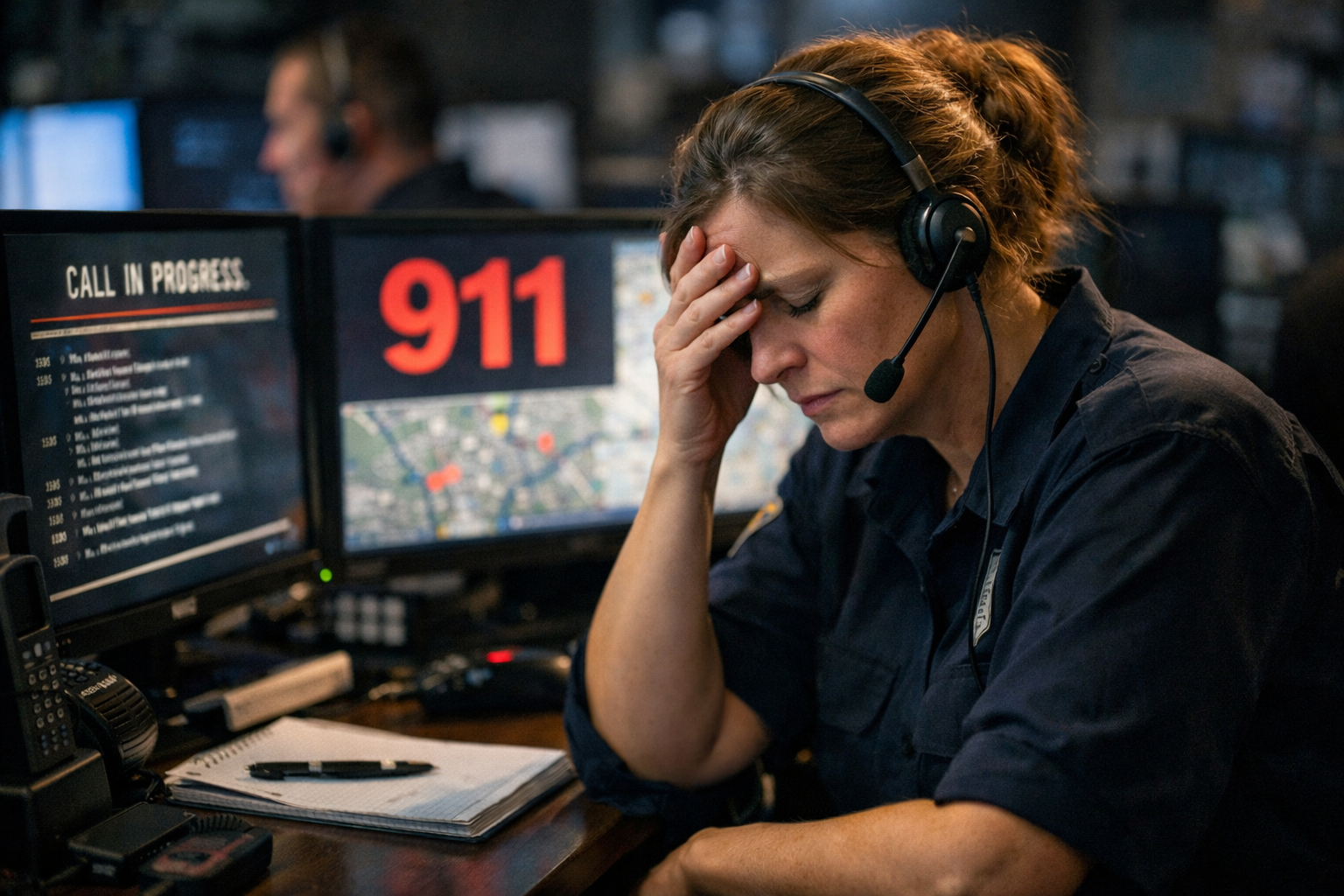
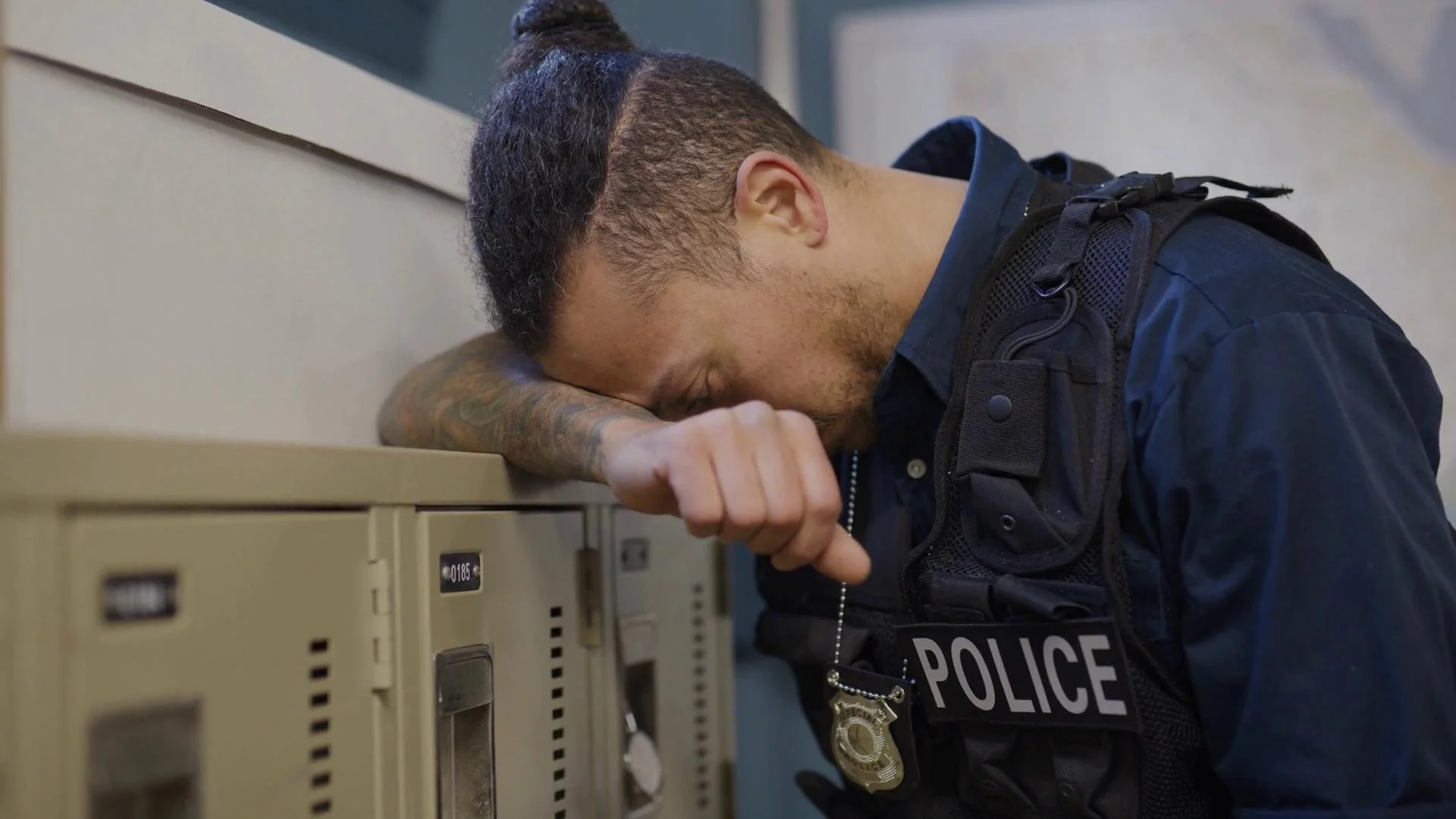
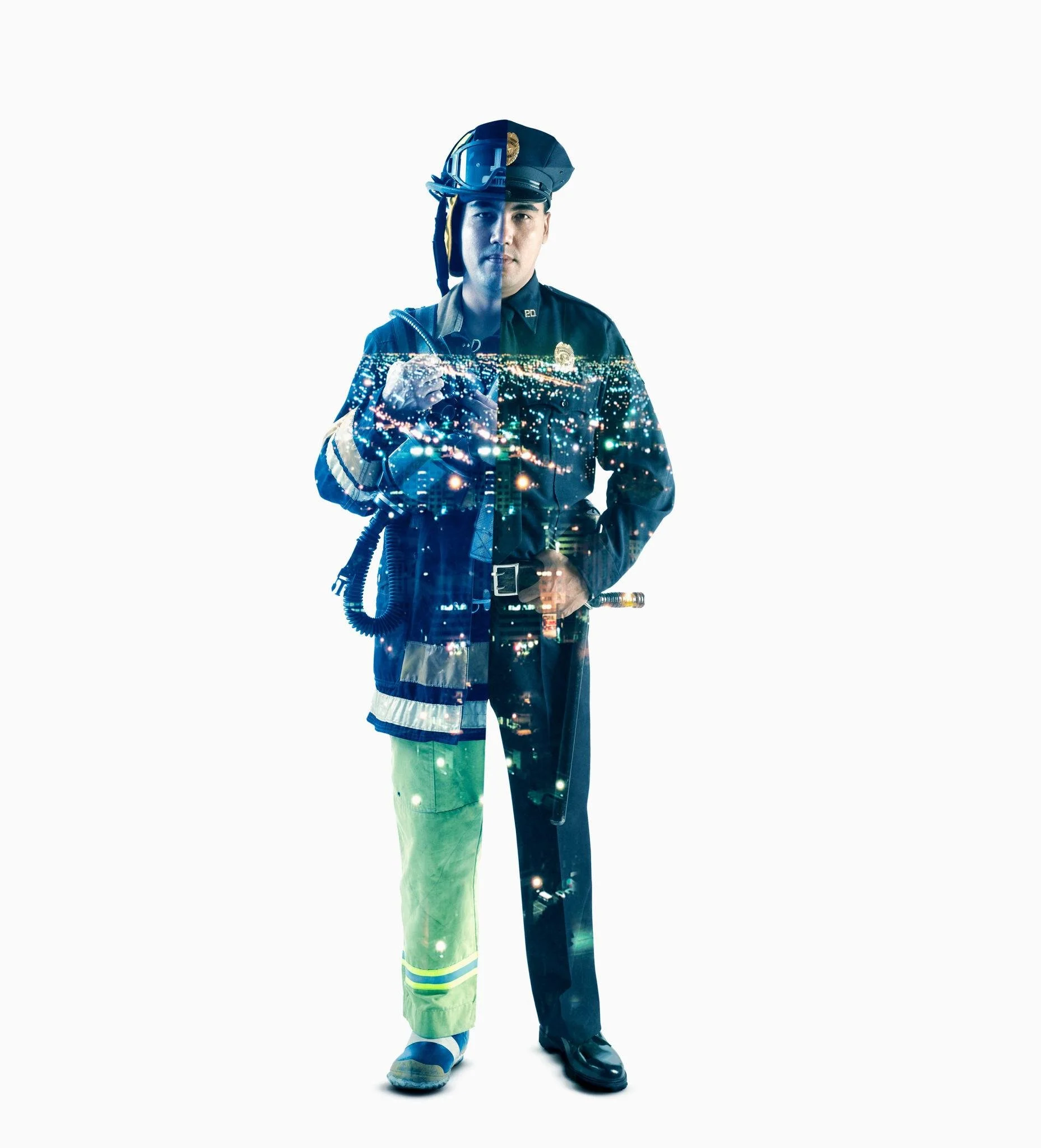
We work with firefighters, law enforcement, paramedics, dispatchers, ER staff, and other emergency personnel. Kevin has worked with first responders for many years and Linda came from a cop family. We understand the culture — the resistance to showing weakness, the identity that's built around being the one who handles things, the difficulty transitioning out of a role that requires you to suppress your responses in order to function.
We're not going to ask you to sit and process your feelings for an hour while someone nods at you. EMDR is structured, direct, and doesn't require you to perform emotional vulnerability. You hold the material in your own mind. You control the pace. The processing happens internally. That tends to suit the way first responders are wired. —You can even choose to do the Blind to Therapist Protocol where you don’t have to even tell us what the memory or target IS.
What accumulates in this work
Critical incidents — the calls that don't leave
Cumulative exposure — the weight of years, not one event
Hypervigilance that doesn't turn off off-duty
Sleep disruption, irritability, numbing
Relationship strain that comes from carrying things you can't talk about
The identity shift that happens when something breaks through
Why EMDR works for first responders
EMDR doesn't require you to narrate everything. It doesn't ask you to explain why something affected you — it works with the nervous system directly to reprocess the material that's stuck. For people who are trained to manage and suppress their responses, EMDR offers a way to process without having to talk everything through first.
It's also efficient. Most single-incident traumas respond meaningfully in 4–6 sessions. Cumulative trauma takes longer, but you'll see movement faster than you might expect.
Confidentiality
Everything you share is confidential within the standard legal and ethical limits.
You don't have to be in crisis to deserve support. If something's been accumulating, that's enough.
Related blog articles: