You've tried talking about it. It's still there.
EMDR therapy works differently — not by processing the past in words, but by helping your brain finish what it couldn't complete on its own.
In-person in Mill Creek. Online across Washington. Insurance accepted. $35/session options available with our graduate interns.


Accepting New Clients!
You don't need more coping strategies.
You've probably already tried that. Maybe you've done therapy before — good therapy, even — and you made progress. But the thing underneath didn't move.
That's not a character flaw. That's how trauma works. It doesn't store itself as a memory you can just think your way through. It stores itself as a body response, a reflex, a pattern you keep running into no matter what you understand about it.
EMDR was designed specifically for that. And we've spent years making sure it's done right.
What actually happens in EMDR
Most therapy asks you to talk about hard things. EMDR asks your brain to process them.
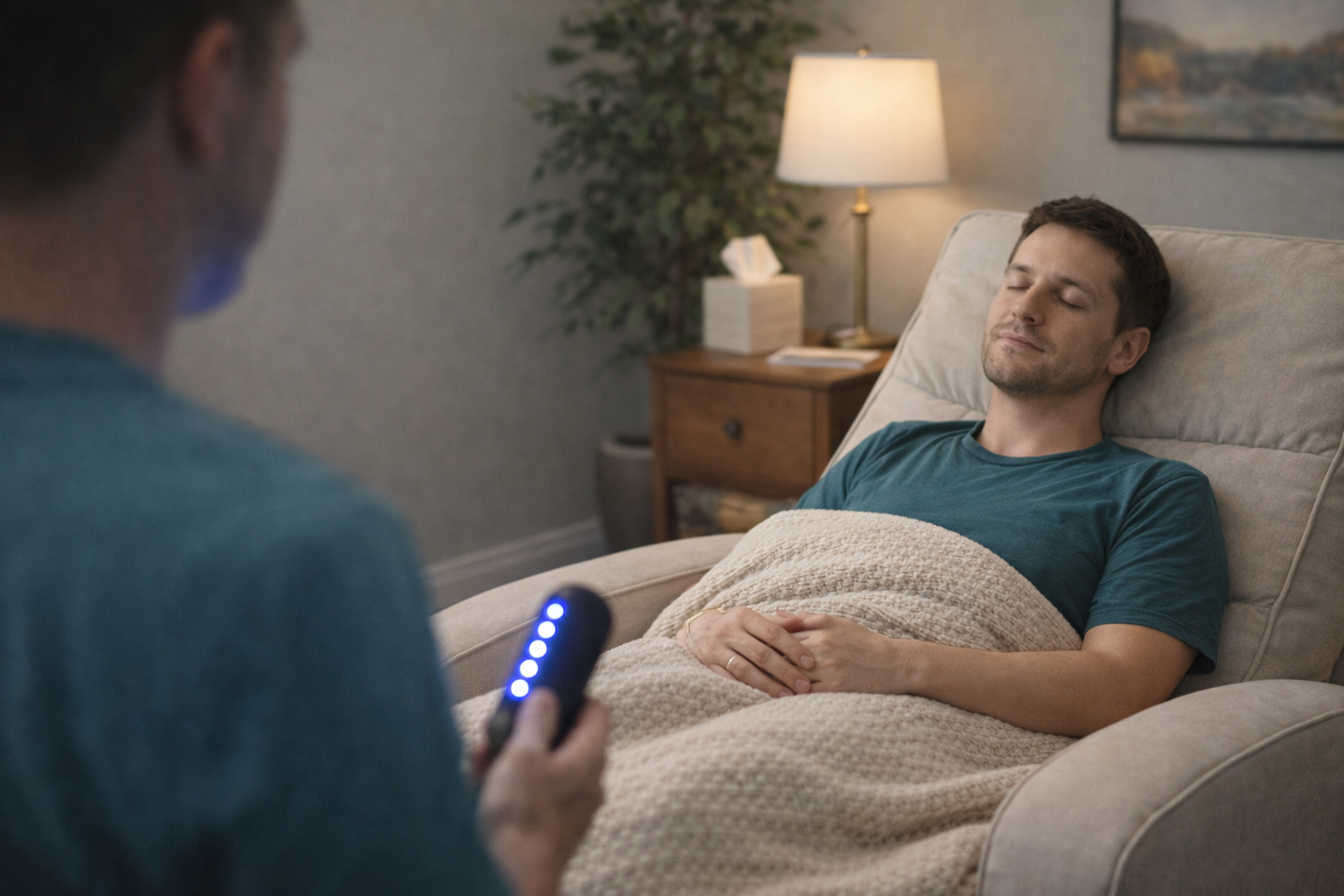
Using guided bilateral stimulation — eye movements, taps, or sound — EMDR activates a mechanism so your brain can consolidate and resolve experiences. Memories that feel raw, vivid, and stuck begin to lose their charge. Not because you talked them through, but because your nervous system finally got to finish what it started.
It sounds unusual. The research behind it is not. EMDR is endorsed by the WHO, the VA, and the APA as a first-line treatment for trauma — with some of the strongest outcome data in the field.
The part most people don't expect: you don't have to describe everything in detail. You don't have to relive it. Many people find it easier than traditional talk therapy precisely because you don't have to find the right words.
You might be here because…
Something happened that you thought you'd be over by now
You're anxious, and you can't fully explain why
You were in a car accident and you're not okay yet — even if physically you healed
A past relationship left something in you that keeps showing up in the current one
You've been told you have PTSD, or you suspect it but aren't sure
You're a first responder and you're tired of carrying what you've seen
You're a parent who's been through something and you can see it affecting your kids
You've been in therapy before, it helped, but this particular thing didn't move
We see adults, teens, and children. We see couples. We work with neurodivergent clients who need care that actually fits how they're built.
Insurance-Based Therapy in Washington
Northwest Mental Health Alliance is an in-network mental health provider with several major insurance plans, including Premera, Kaiser Permanente, Regence, Aetna, Molina, UnitedHealthcare/Optum, and others.
If you are looking for specialized therapy covered by your insurance, we can help you understand your options and find the right next step.
Learn more about:
We can explain how to verify benefits before your first appointment so you have a clearer understanding of your coverage.



Why Northwest Mental Health Alliance exists
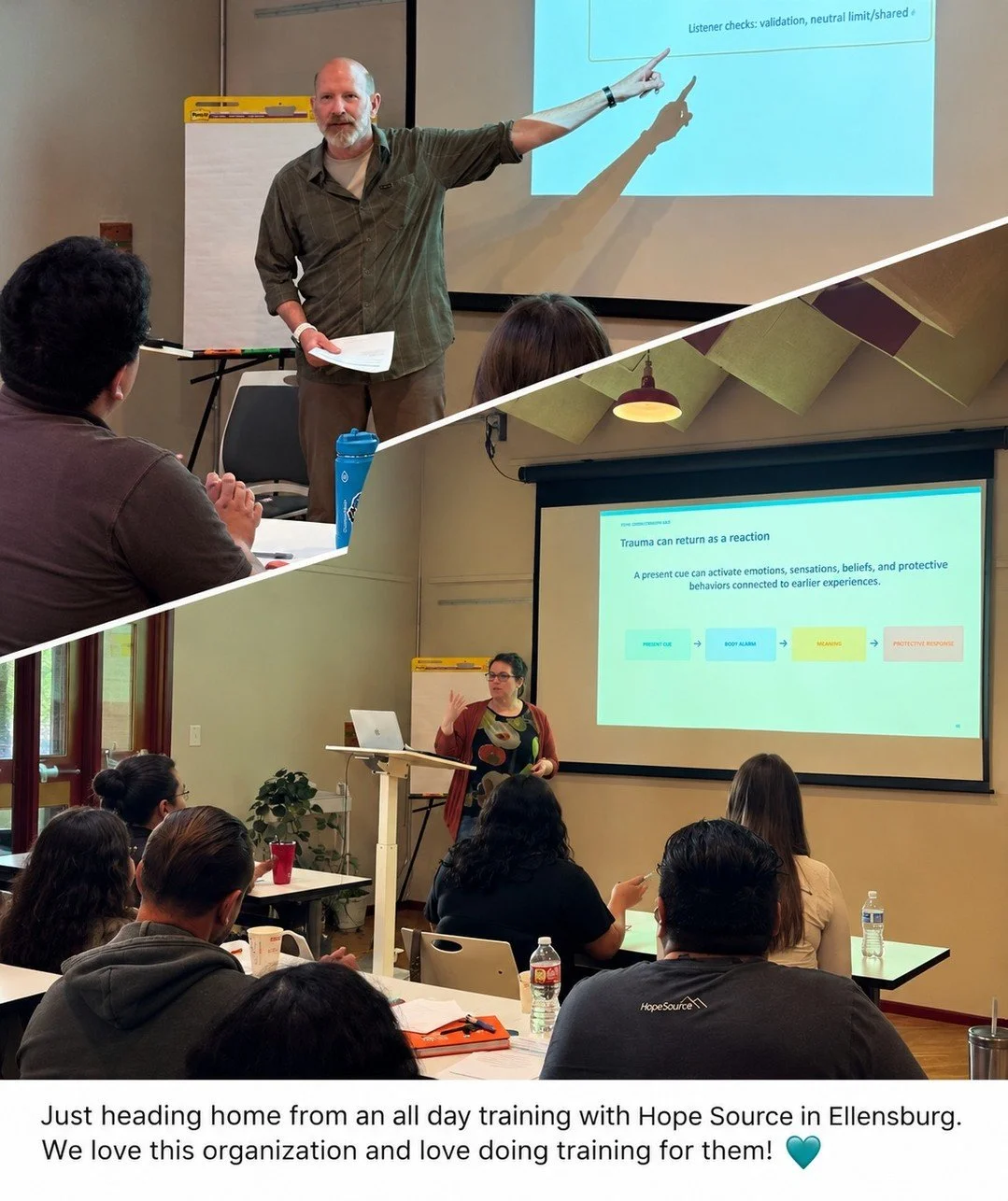
We're Kevin and Linda — both EMDR therapists, both EMDRIA-certified. We built NWMHA because we repeatedly met clients who had very different experiences with EMDR and discovered wide variation in how the model was being implemented.
EMDR requires more than a weekend certification. The part that takes years to learn isn't the technique — it's knowing when to get out of the way and trust the process. Most training programs end before anyone finds out if that's actually happening.
So we built a training center and a nonprofit practice where we could do both: train the next generation of EMDR clinicians, and deliver care at a standard we can actually stand behind.
Every therapist here is trained and supervised by us, personally.
25+ years combined EMDR experience · 1,000+ clients served · EMDRIA Approved Consultants on site
Our EMDR Services
Specialized EMDR therapy and trauma-focused care — for adults, teens, children, and couples.

EMDR therapy
Core trauma reprocessing for adults. Evidence-based, full protocol, every session.

Car accident & PIP Insurance therapy
Trauma therapy after accidents — we bill your auto insurance directly. Most people pay nothing.
Ketamine-assisted EMDR
Low-dose, non-psychedelic protocol that deepens the EMDR processing window.

EMDR for kids & teens
Child-adapted EMDR with experienced youth clinicians. Family therapy available.

EMDR for First Responders
Firefighters, law enforcement, paramedics, dispatchers, and ER staff carry what others don't see. EMDR is structured, direct, and doesn't require you to talk through everything. It's built for the way you're wired.

EMDR for couples
Trauma-focused couples work — including intensive formats for concentrated progress.

EMDR for chronic pain & illness
Trauma and physical symptoms are more connected than most people realize. We work with clients navigating chronic pain, medical trauma, illness adjustment, and the psychological weight of conditions that don't resolve cleanly.

EMDR on bikes
Outdoor bilateral EMDR using movement. A different kind of processing for people who do better outside.

EMDR for performance anxiety
Performance blocks, competition anxiety, and the aftermath of sports injuries aren't just mental — they're stored in the nervous system. EMDR addresses the root, not just the symptom.
Follow Along With NWMHA
Mental-health education, office life, community resources, and occasional appearances by Dogtor Oliver.